
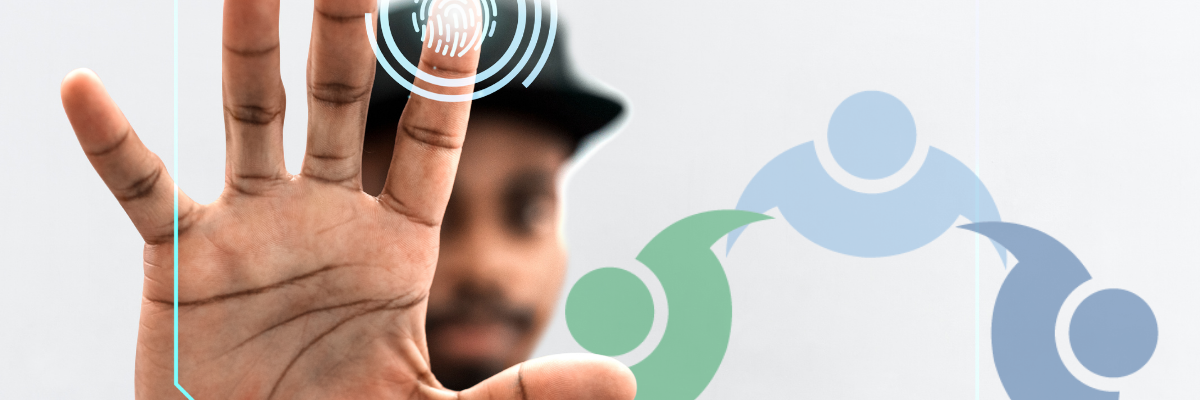
A new phone scam has emerged in malls, train stations and public places around the world, and it’s far more dangerous than you may expect. The scammers don’t want your money, your password or your trust. They only want your kindness. And they can ruin your life in 30 minutes.
The scam succeeds on the premise that you will help a stranger that doesn’t seem threatening. You may be approached by well-dressed, middle-aged or elderly individuals pretending to be having trouble using their phone. They may ask you to help them check their pension or grant deposits or claim that they have clicked on an incorrect link by mistake and they need help to navigate away from it. They will hand you their phone to show you the problem and ask for your help, and this is the dangerous part.
When you take their phone, a video call or screen recording are already active with facial recognition enabled. On the other side of the phone, someone else is watching you. As you try to help, your biometric data is being collected.
Biometric Identity Theft
The scam is not an ordinary one but an AI biometric identity scam. The goal is not to steal your money, but to steal your biometric identifiers – your fingerprints, voice and face. When you touch the phone, look at the phone, or speak out loud to read numbers, confirm verification codes or communicate with the person you’re helping, your three main biometric identifiers can be stolen.
And with this data, modern AI can create a near perfect digital clone of you. The scammers then use your digital clone, not to empty your bank account but to apply for debt. Online loans, consumer credit like retail accounts and credit cards, credit cash outs like instant loans and cash advances are applied for in your name and paid to the scammers. Your clone can easily pass biometric authentication and validation processes – it has your voice, your face and your fingerprints.
The clone can max out your credit capacity – the amount of debt you could qualify for with financial institutions – within 30 minutes. And you’re likely not to realize what has happened until you start receiving notifications from the credit provider. Your money hasn’t left your account, but you are now drowning in debt you didn’t apply for.
Kindness can be your weakness
The only way to avoid getting caught in this scam is to refuse to help strangers to operate their phone. Even while you’re saying no, do not touch or look at the phone. Do not accept anyone’s phone when it’s being handed to you, do not click anything and do not read anything out loud – no matter how harmless the stranger looks or how simple their request for help seems. Never cooperate with a request to look into the phone’s camera and speak.
The scam doesn’t have to happen face-to-face either. Similar biometric identity theft can be achieved through video calls. If you receive an unknown video call, do not answer it – terminate the call immediately.
Most importantly, remember that this scam takes advantage of your good nature. Being digitally savvy and intelligent isn’t enough to protect you from becoming a victim. In this instance, your confidence and kindness are what you make you vulnerable.